Do You Need a Permit to Remodel a Bathroom in Missouri?
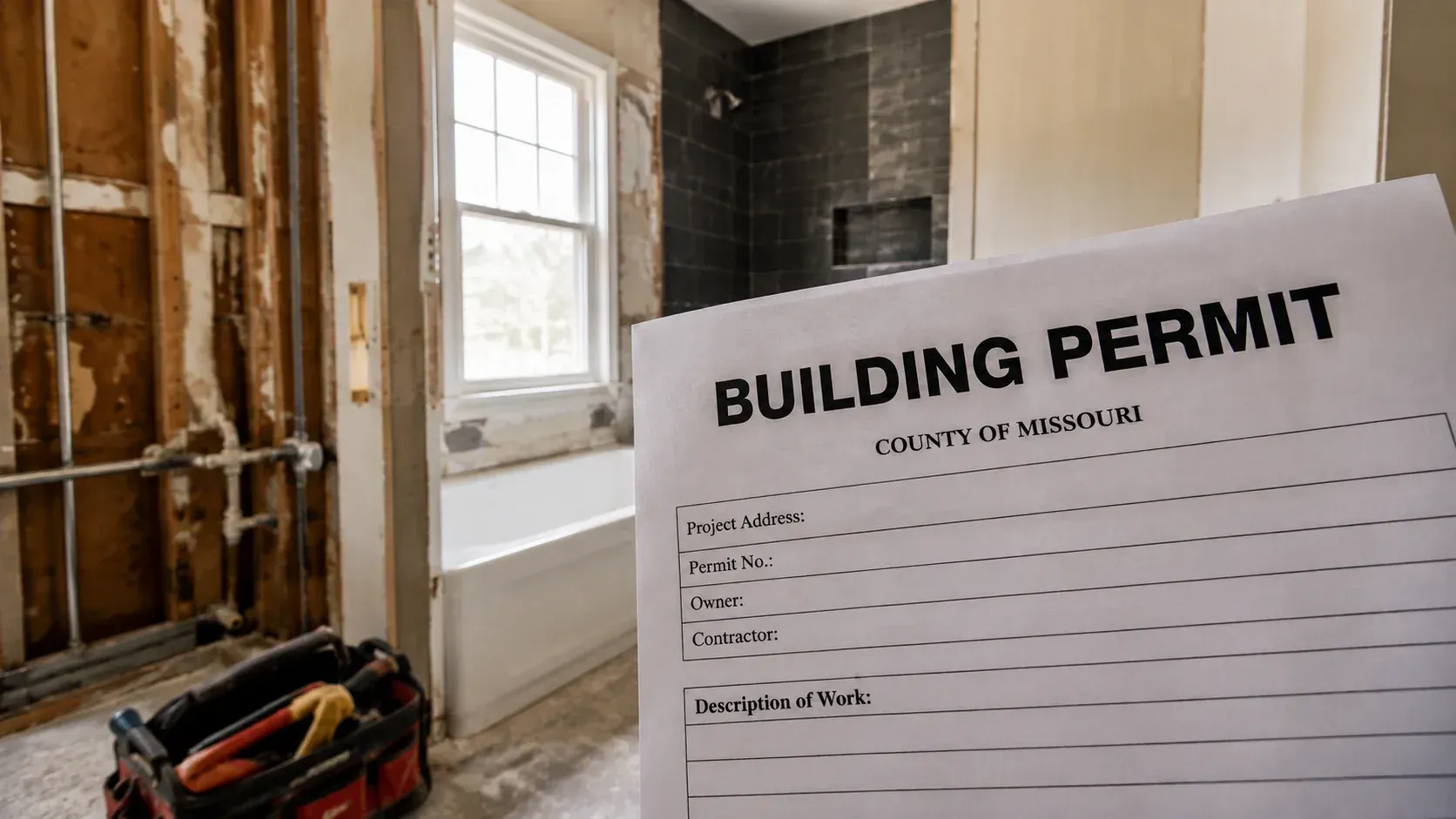
In Missouri, whether a bathroom remodel is legal without a permit depends on both the type of work and where the home is located. Cosmetic remodels often need no permit, but projects that change plumbing, electrical wiring, or the structure of the home typically do, and the rules are set by your local city or county rather than the state.
That distinction matters because Missouri does not have a single statewide residential building code. Each municipality and county decides what to adopt and enforce, so two homes an hour apart can face very different requirements for the same bathroom project. A gut renovation that clearly needs a permit inside Jefferson City might fall under looser rules in an unincorporated stretch of a rural county.
For homeowners planning a project, this is the practical problem: you cannot rely on a blanket answer you read online, because that answer was probably written for a different jurisdiction. The reliable path is to understand which categories of work usually trigger a permit, then confirm the specifics with your local building authority before anyone starts demolition.
Which Bathroom Remodel Projects Usually Require a Permit
Permits are generally required when a remodel changes the home's plumbing, electrical system, or structure, because those changes affect safety and need inspection.
Most jurisdictions in Missouri tie permit requirements to work that could create a hazard if done incorrectly. In a bathroom, that usually includes the following:
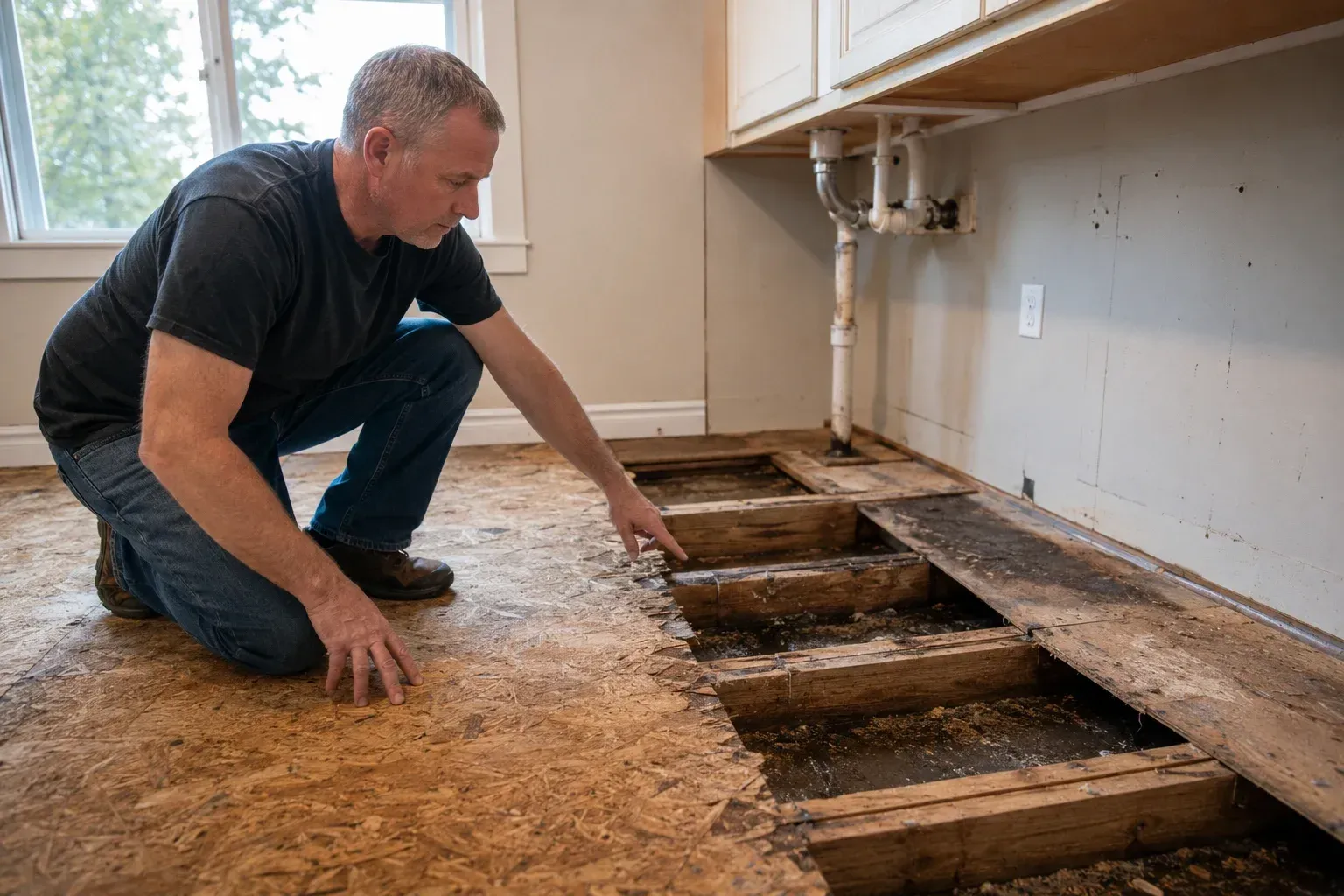
- Moving or adding plumbing. Relocating a toilet, sink, shower, or tub, or running new supply and drain lines, typically requires a plumbing permit.
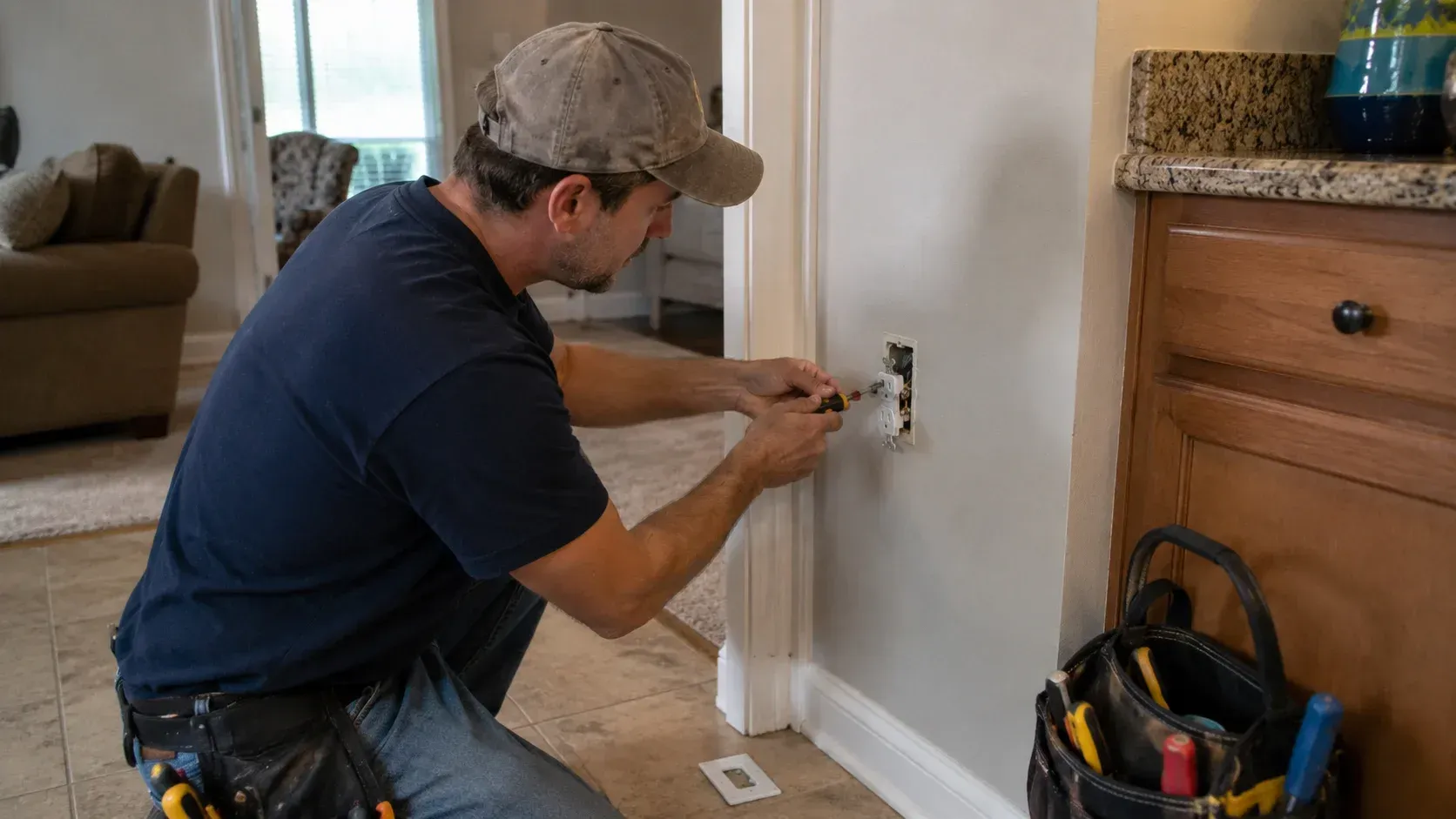
- Electrical changes. Adding circuits, moving wiring, installing new outlets, or adding an exhaust fan or heated floor often requires an electrical permit.
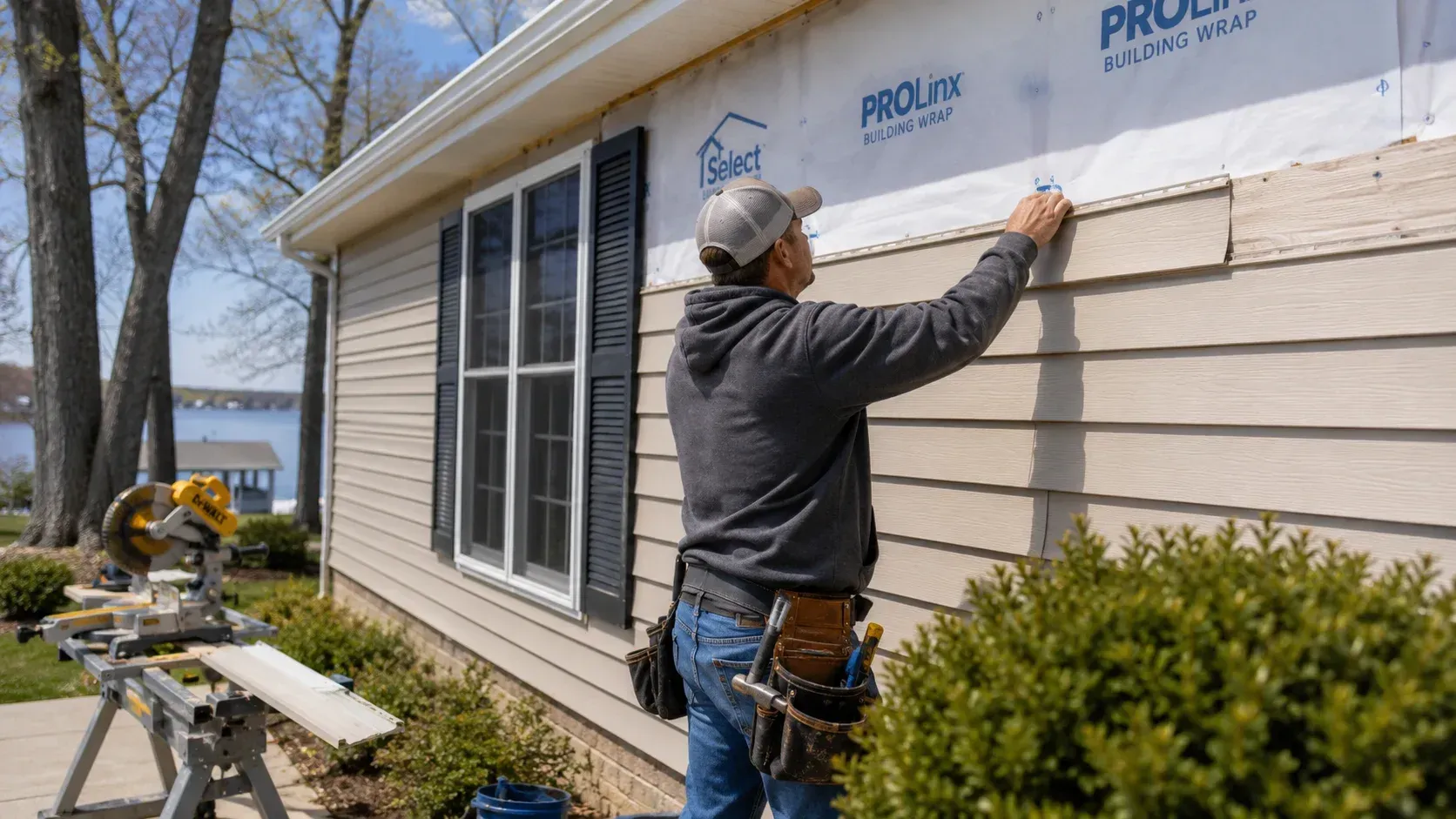
- Structural changes. Removing or moving a wall, enlarging the room, or altering framing usually requires a building permit. Work that touches load-bearing elements or the framing and structure almost always needs review.
- Changing the footprint. Expanding the bathroom into another space or adding a window can trigger both building and mechanical permits.
The logic behind these rules is straightforward. Plumbing errors cause leaks and water damage, and faulty wiring is a fire and shock risk. Inspections exist to catch those problems before the walls close up, which is why hidden work is the work most likely to require a permit.
Which Projects Usually Do Not
Cosmetic remodels that do not move plumbing, alter wiring, or change structure usually do not require a permit, though this still varies by jurisdiction.
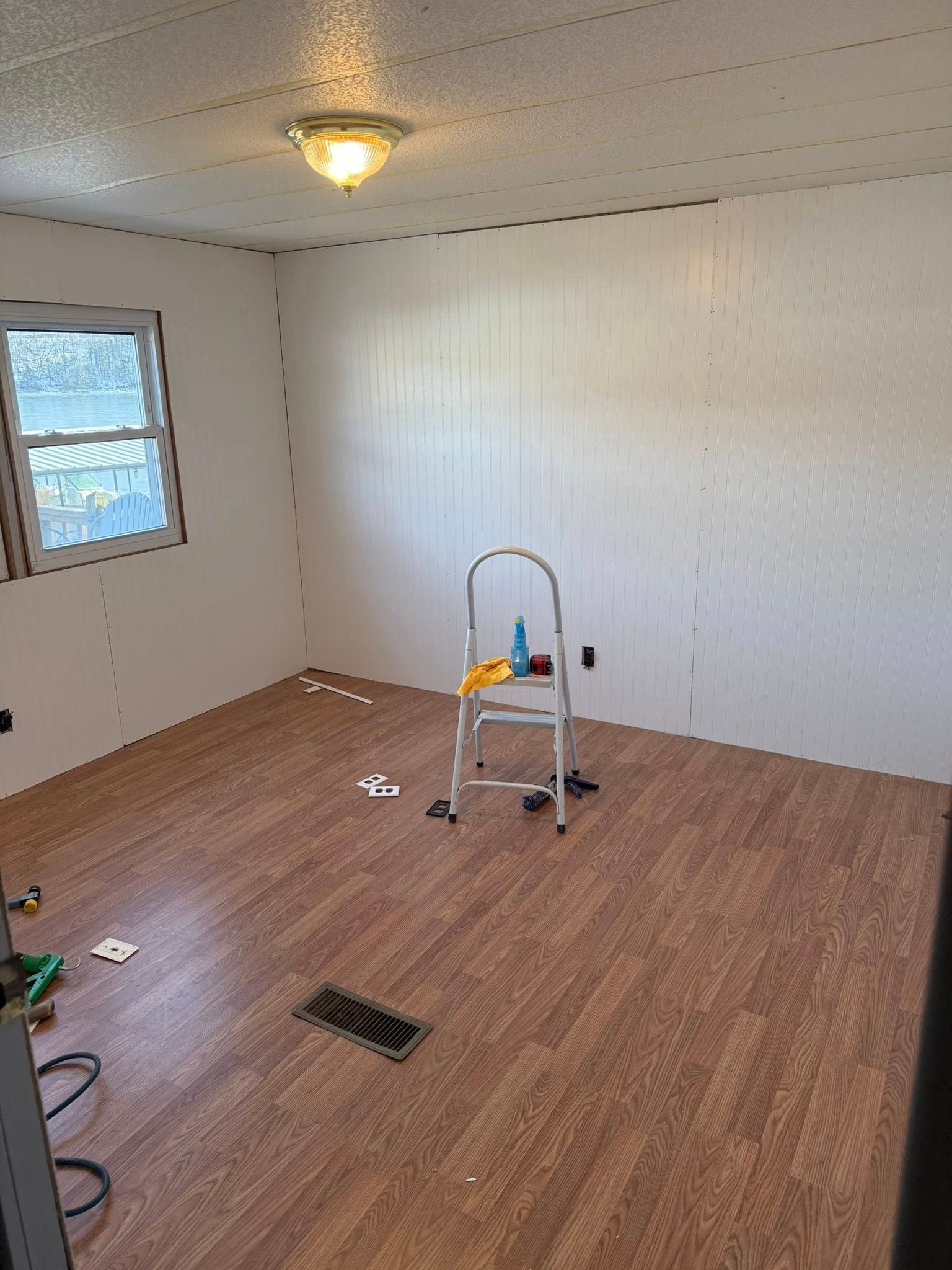
Work that is often permit-free includes repainting, replacing a vanity or toilet in the same spot, swapping a faucet or light fixture for one in the existing location, installing new flooring, retiling a shower surround, and hanging a new mirror or cabinet. These are the kinds of updates that fall under everyday handyman services rather than a permitted construction project.
The common thread is that the work stays within the existing plumbing and electrical layout and does not touch the structure. You are refreshing surfaces and replacing fixtures like for like, not changing how the systems behind the wall are built.
Even here, a caution applies. A "simple" fixture swap can quietly cross the line. If replacing a vanity means moving the drain a few inches, or if a new fan needs a new circuit, the project may need a permit after all. When work drifts from replacement into relocation, recheck the requirement.
How Permit Rules Work in Stover and Rural Missouri
In smaller communities like Stover and in unincorporated parts of Missouri counties, building permit requirements are often lighter than in larger cities, but licensed-trade rules for plumbing and electrical work can still apply.
Stover sits in Morgan County, in the Lake of the Ozarks region, where many properties are in small towns or unincorporated areas. Rural Missouri jurisdictions frequently adopt fewer building codes than metro areas, and some unincorporated areas have historically required few or no building permits for interior residential work. That does not mean anything goes.
Two things commonly still apply even where building permits are relaxed. First, septic and well systems are regulated at the county and state level, so plumbing changes that affect them can trigger separate approvals. Second, some trades are governed by licensing rules regardless of local permitting, and connecting to public water or sewer may involve the utility's own requirements.
Because coverage varies so much across the Stover and Lake area, the only dependable move is to call the city hall if you are inside city limits, or the county planning, building, or health department if you are not. Ask specifically about your project type. A five-minute call settles what an online article cannot, since local ordinances change and are not always posted clearly.
Note on verification: permit rules and local ordinances are updated over time. Treat the categories in this article as general guidance and confirm the current requirement with the office that has jurisdiction over your address.
What Happens If You Remodel Without a Required Permit
Remodeling without a required permit can lead to fines, a stop-work order, being required to expose or redo finished work for inspection, problems at resale, and possible insurance complications if unpermitted work contributes to a loss.
The consequences are rarely immediate, which is part of why people skip permits. Problems tend to surface later, and they tend to be expensive when they do.
At resale. Home inspectors and buyers often ask whether major work was permitted. Unpermitted remodels can slow a sale, reduce what a buyer will pay, or force you to retroactively permit the work, which sometimes means opening finished walls.
With insurance. If a claim traces back to unpermitted plumbing or electrical work, coverage can become complicated. Insurers may question whether the work met code.
With the local authority. If the jurisdiction discovers required work was done without a permit, it can issue fines and require inspection or removal of the work. Retroactive permitting usually costs more than doing it correctly the first time.
None of these outcomes is guaranteed in every case, and enforcement varies by area. The point is that the risk is real and asymmetric: the permit fee is small and predictable, while the downside of skipping a required one can be large and unpredictable.
Conclusion
Whether it is legal to remodel a bathroom in Missouri without a permit comes down to two questions: what work is being done, and where the home is located. Cosmetic updates that stay within the existing layout often need no permit, while moving plumbing, changing wiring, or altering structure usually does. Because Missouri leaves most of these rules to cities and counties, the requirement for a home in Stover or elsewhere in the Lake area can differ from the requirement in a larger city.
The safest and simplest approach is to define your scope clearly, sort the work by system, identify your jurisdiction, and call the local building or planning office before starting. Keeping permits and inspection records protects you at resale and with your insurer. Treating permits as part of planning, rather than an afterthought, keeps a bathroom remodel both legal and far less stressful.
Planning a Bathroom Remodel Near Stover, MO? Get Your Permit Questions Answered First
If you are weighing a bathroom remodel around Stover or the wider Lake of the Ozarks and are not sure whether your project needs a permit, talking it through before you start can save time and second-guessing. All In One Home & Condo Care works on remodels across Camden, Miller, and Morgan Counties and can help you understand how permitting typically applies to your scope, with no pressure and no obligation. Reach out to our team or call (573) 216-0020 with your questions, and always confirm specifics with your local building authority.