How Much Does Vinyl Siding Installation Cost at the Lake of the Ozarks, Missouri?

Share this article

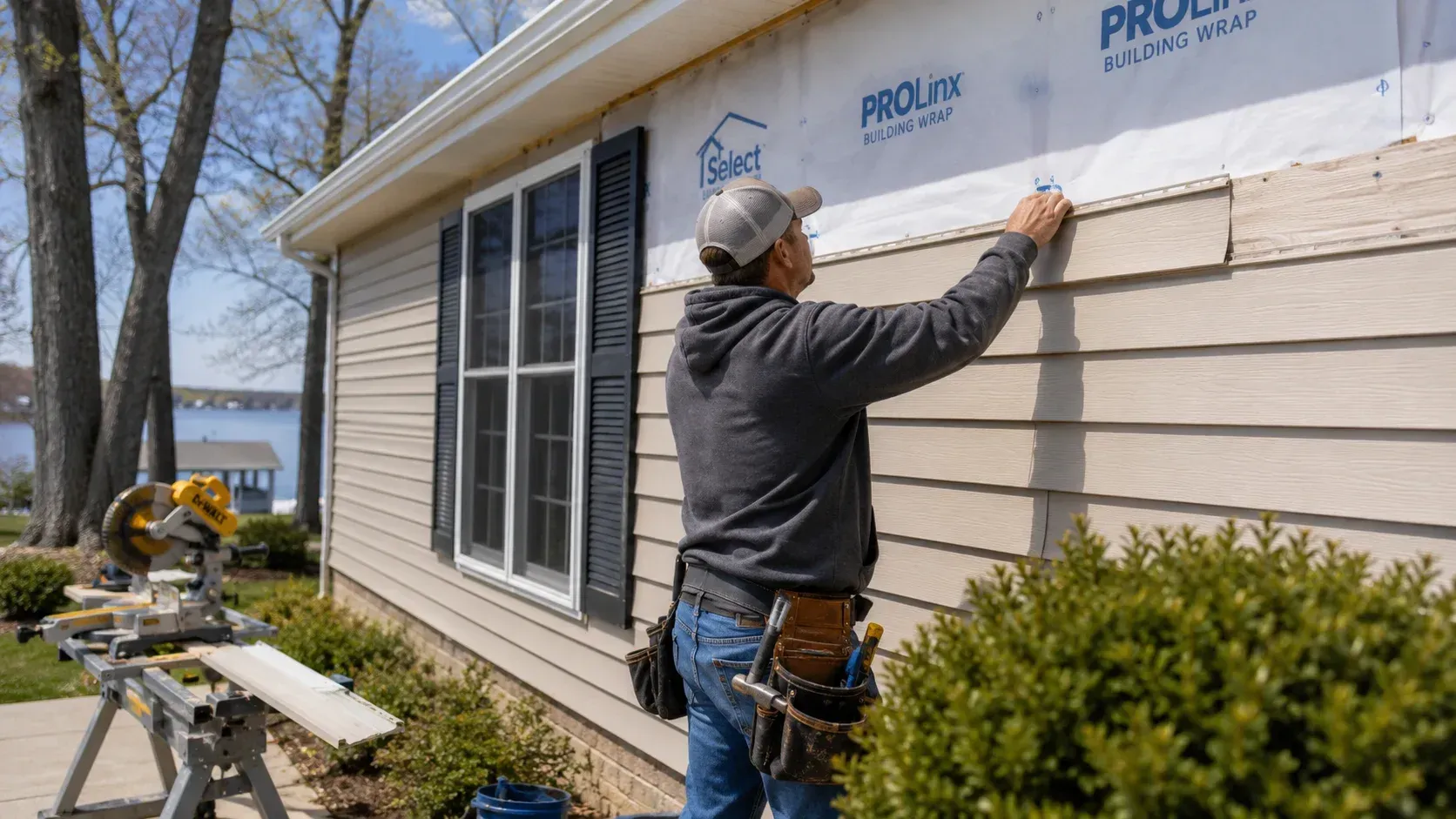
Contractor attaching beige siding panels to a house wall during vinyl siding installation.

Table of Contents

  1. Introduction
  2. The Short Answer: What Vinyl Siding Typically Costs
  3. Why Vinyl Siding Is Popular at the Lake of the Ozarks
  4. The Main Factors That Affect Vinyl Siding Installation Cost
  5. Prep Work and Hidden Costs to Budget For
  6. How Home Size and Design Change the Price
  7. Getting an Accurate Estimate
  8. Conclusion
  9. Thinking About New Siding This Season?
  10. Frequently Asked Questions

Key Takeaways

  • Vinyl siding installation commonly runs somewhere between $4 and $12 per square foot installed, which puts many Lake of the Ozarks homes in a wide range depending on size and details.
  • The biggest cost drivers are the grade of vinyl you choose, the size and shape of your home, labor, and any prep work like removing old siding or repairing the wall underneath.
  • A one-story ranch usually costs less per square foot to side than a tall, complex home with lots of corners, gables, and peaks.
  • Hidden repairs behind old siding, such as rotted sheathing or water damage, can change a quote once work begins.
  • The only reliable number comes from an on-site measurement and written estimate, since no two homes are identical.

Introduction

Vinyl siding installation at the Lake of the Ozarks usually costs somewhere between $4 and $12 per square foot installed, so a typical single-family home often lands in a broad range depending on its size and the materials chosen. The final number depends on the grade of vinyl, the size and shape of the house, local labor, and how much prep the walls need before new siding goes on.

That range is wide for a reason. Every home is a little different, and a quote for a small ranch will look nothing like a quote for a two-story lake home with dormers and tall gables. Knowing what moves the price helps you read an estimate and plan a realistic budget for siding installation instead of guessing.

This guide breaks down what goes into a vinyl siding price, the prep costs people often forget, and how home design changes the math. It reflects what we see quoting and installing siding on homes across Camden, Miller, and Morgan Counties.

The Short Answer: What Vinyl Siding Typically Costs

As a general guide, installed vinyl siding tends to run $4 to $12 per square foot, materials and labor combined. Standard builder-grade vinyl sits near the lower end. Insulated and premium vinyl sits higher.

To put that in rough terms, a home with about 1,500 square feet of wall area might fall anywhere from roughly $6,000 to $18,000 depending on the product and the complexity of the job. That is a wide window on purpose, because the details decide where a specific home lands.

Treat these numbers as a starting point for budgeting, not a quote. Material prices shift, and every house has features that push the cost up or down. A walkthrough and measurement is the only way to get a real figure.

Why Vinyl Siding Is Popular at the Lake of the Ozarks

Vinyl holds up well to the weather this region throws at a house. It resists moisture, which matters on lake properties that deal with humidity and spray, and it does not need repainting the way wood siding does.

It also sits at a friendly price point. Vinyl generally costs less than fiber cement, engineered wood, or brick, both in material and in labor, which is a big part of why it stays common on homes around the Lake of the Ozarks.

Maintenance is light. An occasional wash to clear pollen, dirt, and mildew is usually all it asks. For homeowners who want a clean exterior without a recurring paint schedule, that simplicity is a large part of the appeal.

The Main Factors That Affect Vinyl Siding Installation Cost

Four things drive most of the price. Understanding each one makes an estimate far easier to read.

Grade and Style of Vinyl
Vinyl comes in tiers. Thin builder-grade panels cost the least. Thicker, insulated panels and specialty looks like shake, scallop, or board-and-batten cost more, both for the material and for the added labor to install them. Thicker panels tend to lie flatter and resist warping and wind better, which is why they cost more. The style you pick also affects how much trim and accessory material the job needs.

Labor
Labor is often close to half the total cost. Rates depend on the crew, the season, and how difficult the house is to work on. A steep roofline or a home built on a hillside, common at the lake, takes more time and staging.

Home Size and Wall Area
Siding is priced by the square foot of wall, not the floor plan. A sprawling one-story home can have more wall area than a compact two-story, so square footage on paper does not always predict the siding total.

Trim, Corners, and Accessories
Every window, door, corner, and rounded edge needs trim pieces such as J-channel, corner posts, and starter strips. A home with many windows and angles uses more of these, and they add up.

Prep Work and Hidden Costs to Budget For

The panels are only part of the job. What happens before they go up often decides the final number, and some of it cannot be seen until work begins.

Removing Old Siding
Tearing off and hauling away old siding adds labor and disposal cost. Some jobs can install over existing material, but that is not always wise, since it can hide problems underneath.

 Repairing the Wall Underneath
Once old siding comes off, crews sometimes find rotted sheathing, soft spots, or water damage around windows. Fixing that wood is necessary before new siding goes on, and it is a common reason a quote changes mid-project. Smaller fixes like this fall under general
home repairs.

House Wrap and Moisture Barriers
A proper install includes a weather-resistant barrier behind the siding. On an older home that never had one, adding it is an extra line item that is worth the cost.

Insulation
Some homeowners add rigid foam or choose insulated vinyl during a siding project, since the walls are already exposed. It raises the upfront cost and can affect energy use over time.

Fascia, Soffit, and Trim Wrapping
Many siding jobs include wrapping the fascia and soffit in coordinating material. It improves the finished look and adds to the total, so ask whether a quote includes it.

How Home Size and Design Change the Price

Two homes with the same square footage can cost very different amounts to side. Shape is the reason.

A simple one-story rectangle is quick to side. Panels run in long, uninterrupted courses with few cuts. That efficiency keeps the per-square-foot cost down.

A home with multiple stories, gables, dormers, bay windows, and tall peaks is a different job. Crews spend more time on setup, ladders or scaffolding, and cutting panels to fit odd angles. More corners and edges also mean more trim. All of that raises both labor and material, even when the wall area is similar.

Height matters too. Reaching the upper walls of a tall lake home safely takes more staging and time than siding a single-story house you can reach from a standard ladder.

Getting an Accurate Estimate

Online ranges are useful for early budgeting, but they cannot account for your specific home. A written estimate after an on-site measurement is the only way to know your real cost.

When you compare quotes, make sure each one covers the same scope. Check whether removal, disposal, house wrap, trim, and fascia work are included, and confirm the grade of vinyl being quoted. A cheaper number sometimes leaves out prep or uses a thinner panel.

It also helps to ask what happens if the crew finds damage behind the old siding. A clear answer about how change orders are handled saves surprises later. Good contractors are upfront about the parts of a job they cannot see until they start.

Conclusion

Vinyl siding installation at the Lake of the Ozarks generally falls between $4 and $12 per square foot installed, with the final cost shaped by the grade of vinyl, the size and design of your home, labor, and prep work. Simple one-story homes tend toward the lower end, while tall or complex homes with lots of trim and staging land higher.

The figures in this guide are meant for planning, not as a quote. Hidden repairs, house wrap, insulation, and trim wrapping all affect the total, and only an on-site measurement produces a number you can rely on. Understanding these factors puts you in a stronger position to compare estimates fairly and decide what fits your budget and your home.

Thinking About New Siding This Season?

If you are weighing a siding project and want a clear, itemized estimate for your own home, a short visit answers a lot of the questions a general range cannot. All In One Home & Condo Care measures, quotes, and installs vinyl siding across Camden, Miller, and Morgan Counties from our base in Stover, and we are happy to walk you through the options with no pressure and no obligation. Contact us or call (573) 216-0020 to talk through your project.

Frequently Asked Questions

  • How much does vinyl siding installation cost per square foot?

    Installed vinyl siding commonly runs about $4 to $12 per square foot, combining materials and labor. Builder-grade vinyl sits near the low end, while insulated and premium panels sit higher. Your home's size and design shift the number within that range.

  • What makes one siding quote higher than another?

    Differences usually come from the grade of vinyl, whether old siding removal and disposal are included, the amount of trim and accessory work, and whether house wrap or fascia wrapping is part of the scope. Always confirm each quote covers the same work.

  • Does removing old siding cost extra?

    Yes, tear-off and disposal add labor and hauling costs. Some homes can be sided over existing material, but removal is often the better choice because it lets the crew inspect and repair the wall underneath.

  • Can hidden damage change the price after work starts?

    It can. Once old siding is removed, crews sometimes find rotted sheathing or water damage that must be repaired before new siding goes on. Ask your contractor in advance how they handle these change orders.

  • Is insulated vinyl siding worth the higher cost?

    Insulated vinyl costs more upfront and can affect energy use and panel rigidity. Whether it fits your budget depends on your goals for the project, so it is worth discussing the tradeoffs with your installer before deciding.

  • How long does a vinyl siding installation take?

    Most single-family homes take a few days to about a week, depending on size, design complexity, weather, and how much prep or repair the walls need. Larger or more detailed homes take longer.

  • How do I get an accurate price for my home?

    Schedule an on-site measurement and request a written, itemized estimate. That is the only way to account for your home's exact wall area, design, and condition, since online ranges cannot capture those details.

Recent Posts

Handyman replacing an electrical outlet switch, showcasing the most common handyman repairs needed.
By No Author August 11, 2026
The most common handyman repairs in Camdenton, MO condos: drywall, caulking, fixtures, doors, and the minor plumbing and electrical fixes to stay ahead of.
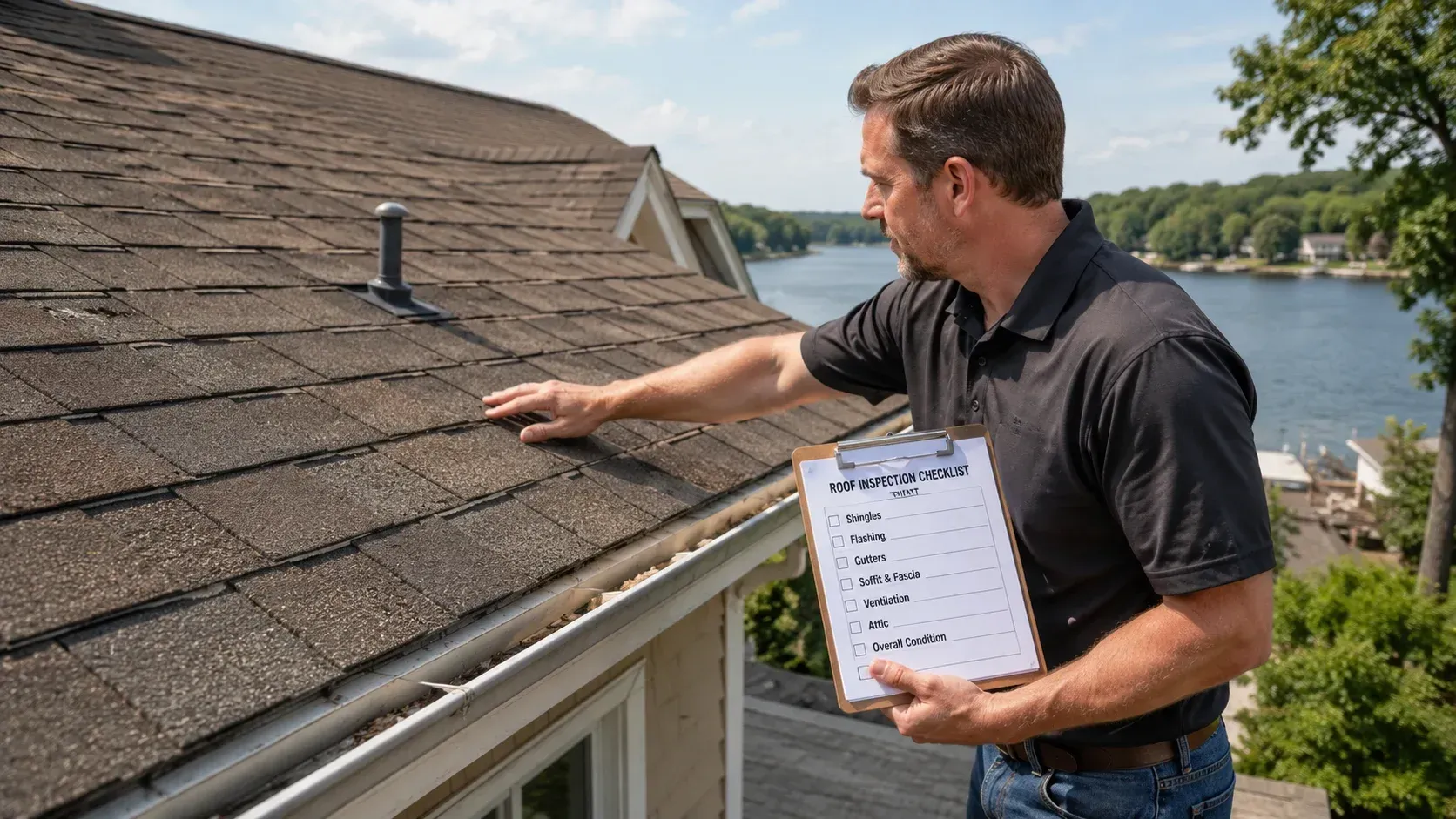
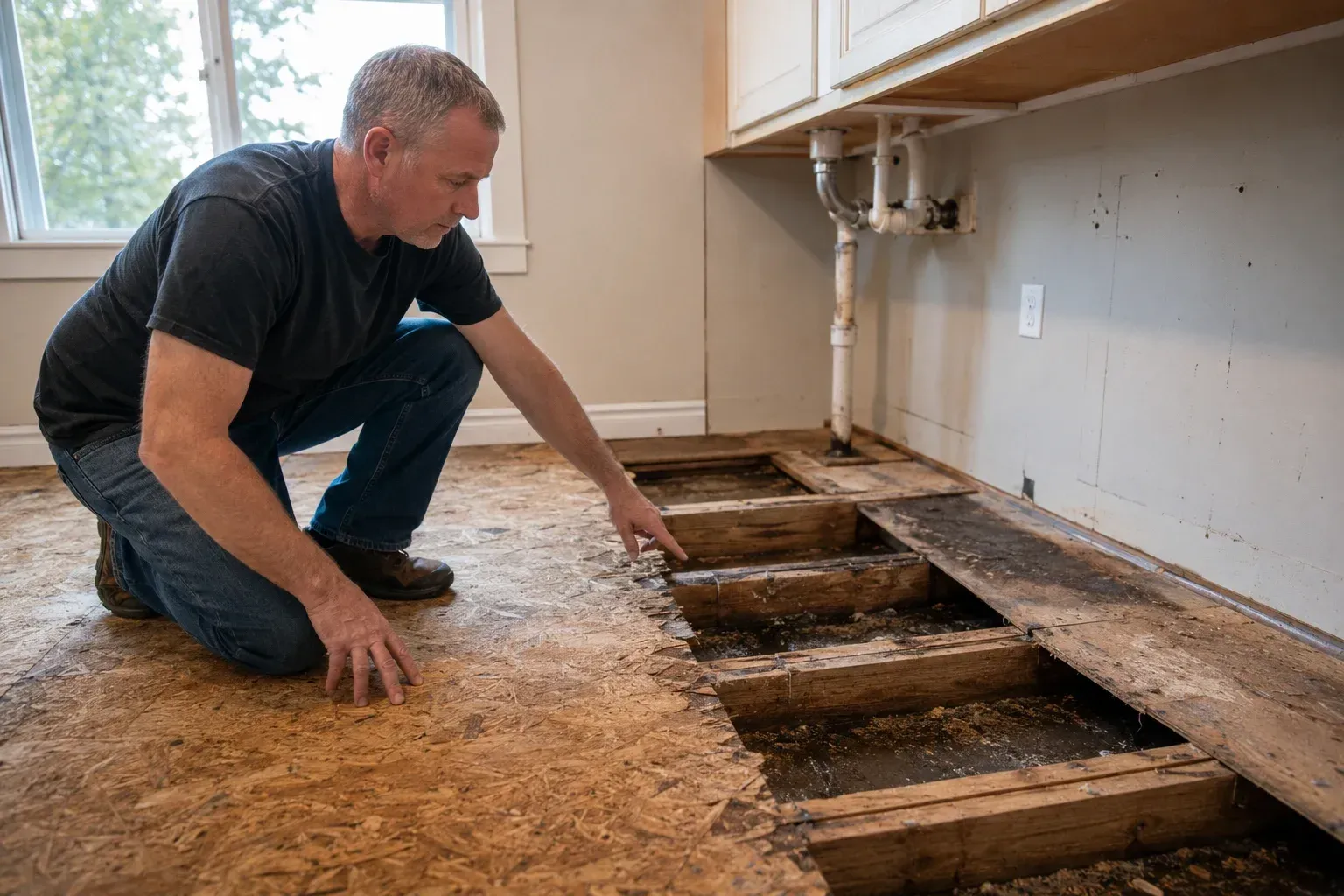
An inspector with a checklist showing what should you look for during a roof inspection.
July 15, 2026
A practical roof inspection checklist for Camdenton, Missouri homeowners: shingles, flashing, gutters, leaks, storm damage, and when to bring in a professional.
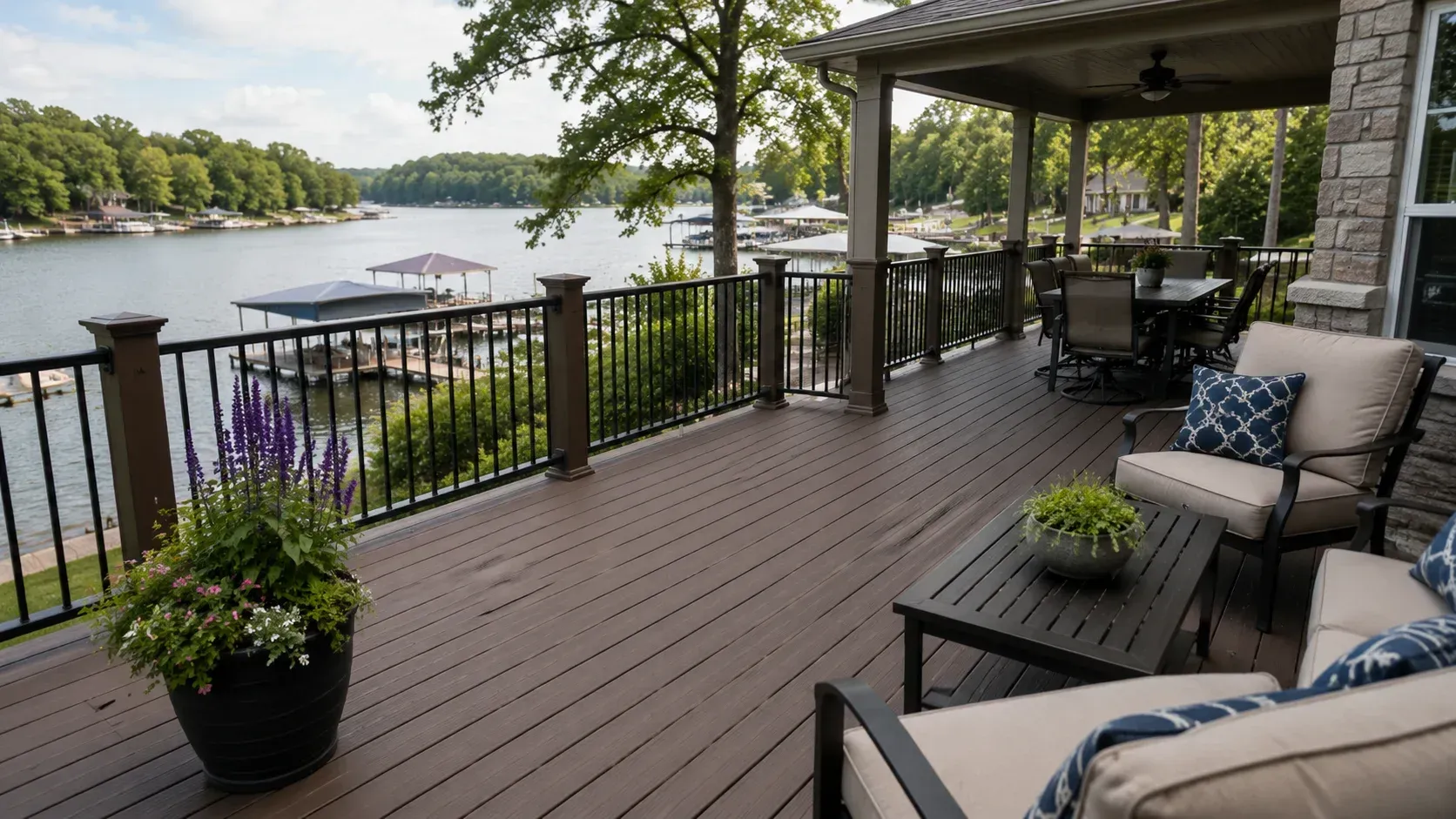
A lakeside deck showing how long does a composite deck last in humid Lake of the Ozarks weather.
July 15, 2026
Learn how long a composite deck lasts in Lake Ozark, Missouri, how humidity, sun, and lake weather affect its lifespan, and simple ways to help it age well.
Worker installing shingles on a rooftop, wearing a yellow hard hat and orange safety vest
June 30, 2026
Common roof problems include leaks, missing shingles, and storm damage. Learn what Missouri homeowners should watch for and how to prevent issues. Learn more!
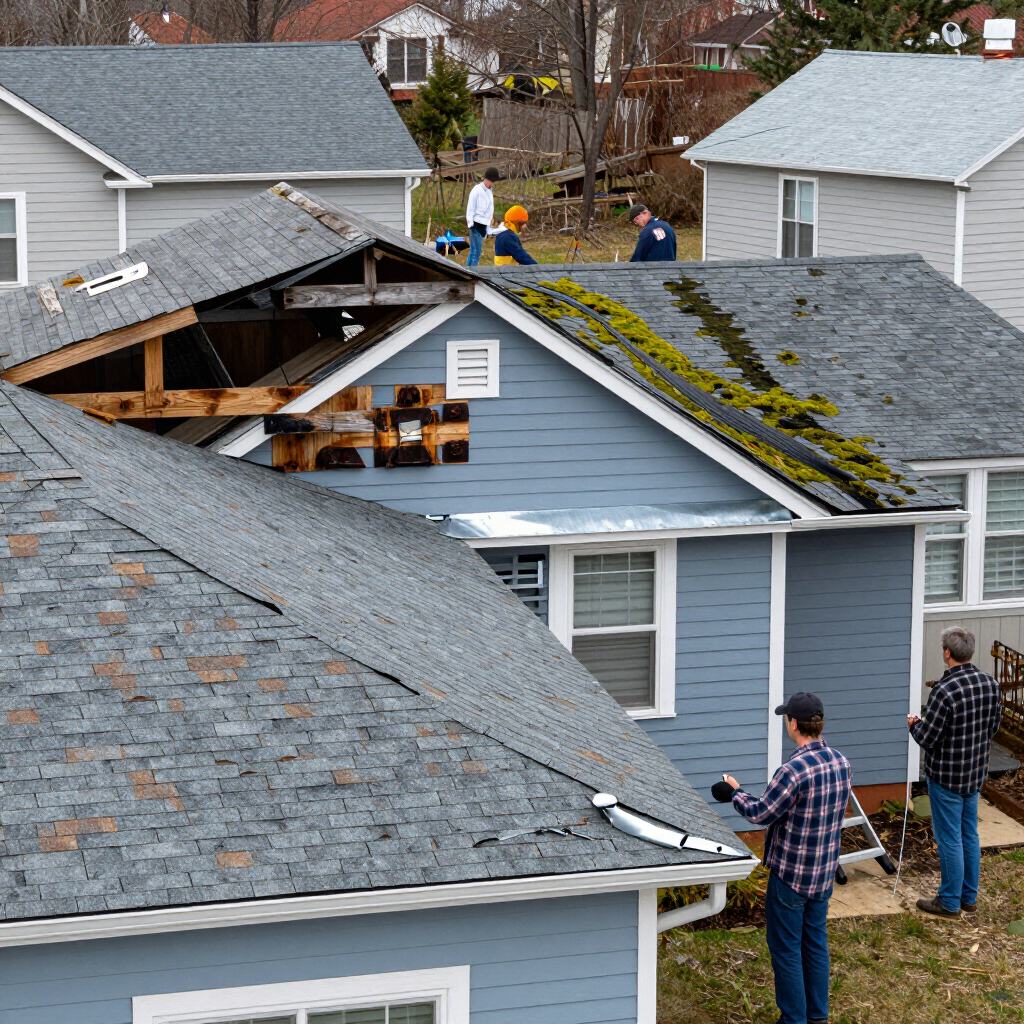
Workers inspecting storm-damaged rooftops on a residential house with exposed rafters and missing shingles
June 30, 2026
Common roof problems include leaks, missing shingles, and storm damage. Learn what Missouri homeowners should watch for and how to prevent issues. Learn more!
June 5, 2026
Seasonal home maintenance helps prevent damage and costly repairs. Learn key tasks for each season to keep your home safe, efficient, and well maintained.
Empty room with wood-pattern floor, white walls, window, ceiling light, and a step ladder in the center
June 5, 2026
Condo maintenance includes repairs, cleaning, and system checks. Learn what services are covered and how regular upkeep protects your property value.

Outdoor condo patio with red headline about cold weather furniture care and an All in One logo
May 13, 2026
Pouring concrete in cold weather affects curing and strength. Learn the risks, proper methods, and how to protect concrete during low temperatures. Learn more!

Architectural plans on a table in a home interior
May 13, 2026
Insulated concrete home plans offer durability and energy efficiency. Learn how to choose the right design, layout, and features for your home project.